Author: sosbusinessdevelopment14

SWOT Analysis: Starbucks

Starbucks SWOT Analysis
by David Schwartz

What Does SWOT Analysis Mean?
SWOT is a tool that identifies the strengths, weaknesses, opportunities and threats of an organization. Specifically, SWOT is a basic, straightforward model that assesses what an organization can and cannot do as well as its potential opportunities and threats.

The method of SWOT analysis is to take the information from an environmental analysis and separate it into internal (strengths and weaknesses) and external issues (opportunities and threats). Once this is completed, SWOT analysis determines what may assist the firm in accomplishing its objectives, and what obstacles must be overcome or minimized to achieve desired results. Continue reading

Think Past the “Same-Old, Same-Old” Marketing

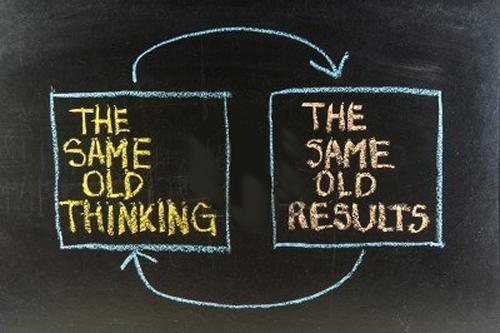
Think past "same-old"We’ve all heard that Albert Einstein quote about doing the same thing over and over again but expecting a different result – the definition of insanity. And, let’s face it, for a lot of small businesses, your marketing sometimes feels like doing the same thing over and over again, hoping this time it turns out differently.

An example of this is hiring a new marketing person. On the surface it sounds ideal – pass along the day to day promoting and marketing of your business to someone else. You’ve been handling the marketing but it’s time to bring in an expert. But since you don’t know what your overall marketing goals are, you can’t communicate what you’d like your new marketing person to accomplish. Continue reading

Illy Caffe, Coffee Marketing And Trade Shows

illy-flashy-shotIlly Caffé was established in 1933 in Trieste, Italy by Francessco Illy.  When he founded the company, Francessco’s dream was to produce and sell the best coffee in the world.  Illy Caffé has built on that dream and become the leading espresso coffee, enjoyed in over sixty countries.  The company is committed to a marketing philosophy of  “One Brand, One Blend”.

Trade Show Objectives:
To be visible within the marketplace
To demonstrate Illy’s success and leadership within it’s own marketplace
To meet and retain existing clients
To identify new leads that will generate long-term business
To maintain consistency against competitors that exhibit sporadically or infrequently
To occasionally launch new products – launching at a show is best

Illy’s product is 100 years old so they have nothing new to say.  They provide a beautifully designed coffee bar exhibit and talk with people.  With a straightforward, no-frills offer, the Illy product becomes more accessible and the Illy message is easy to understand.  That means that visitors are more likely to make the commitment to come into Illy’s trade show booth. Continue reading

Coffee Marketing: Sales Of Natural, Organic, Eco-Friendly, Green, Humane & Fair Trade Coffee

Fair-trade-coffee-002-300x180From article by Holly Case, Natural Food Network Newsletter Editor, Specialty Coffee Retailer.

Leading indicators suggest that the recession may be nearing a close, but it has not yet caught up with consumers’ pocketbooks. Shoppers are still feeling the pinch of the recession, but according to Packaged Facts, one aspect in which they’re still willing to spend a little extra money is for products appealing to ethical concerns. This is especially important to us in the coffee marketing industry.

The report found that recession had not dampened coffee sales and marketing in natural and organic, eco-friendly and green or humane and fair trade items. A third of adults were willing to pay more for organic goods, with a quarter frequently purchasing them. Ethical consumption has become such a priority with consumers that they were willing to pay more for products that matched their value systems.

“With the economy foremost in consumers’ minds, heightened price sensitivity in the midst of the current recession is inevitably having an effect on the market for ethical products,” said Packaged Facts publisher, Don Montuori. Shoppers understand the environmental, social, and economic implications of their choices. The result is that a lot of consumers who will purchase typically more expensive ethical products even in economically challenging times.” In the past five years, consumption of ethical products has grown at a rate of about 10 percent each year, and is expected to continue to do so until 2014. Personal care products and non-food items will grow at a faster rate, even if they will represent a lower percentage of overall sales. Continue reading